I'm Adrian, an Information Technologies for Science undergraduate at the National Autonomous University of Mexico (UNAM). I like building projects that solve real problems. Right now that means data science and cybersecurity.
adlune:~$ cat about.txt
About
~/profile.yml
school   UNAM · ENES Morelia
program  IT for Science
focus    data science
         network security
learning cybersecurity
         networking
utc−6
–:–
adlune:~$ ls skills/
Skills
programming/
- python
- sql
- r
- bash
- javascript
- html/css
data-ml/
- numpy
- pandas
- polars
- matplotlib
- scikit-learn
- pytorch
- jupyter
llms/
- rag
- sentence-transformers
- chromadb
- bm25
- ollama
development/
- fastapi
- pytest
- git
- uv
- docker
- linux (kali, ubuntu, arch)
- aws
security/
- offensive security
- defensive security
- network traffic analysis
- intrusion detection
- kali linux
languages/
- spanish · native
- english · C1 (TOEFL ITP 637/677)
adlune:~$ ls projects/
Projects
network security · modeling & simulation
force-directed-NBAD/
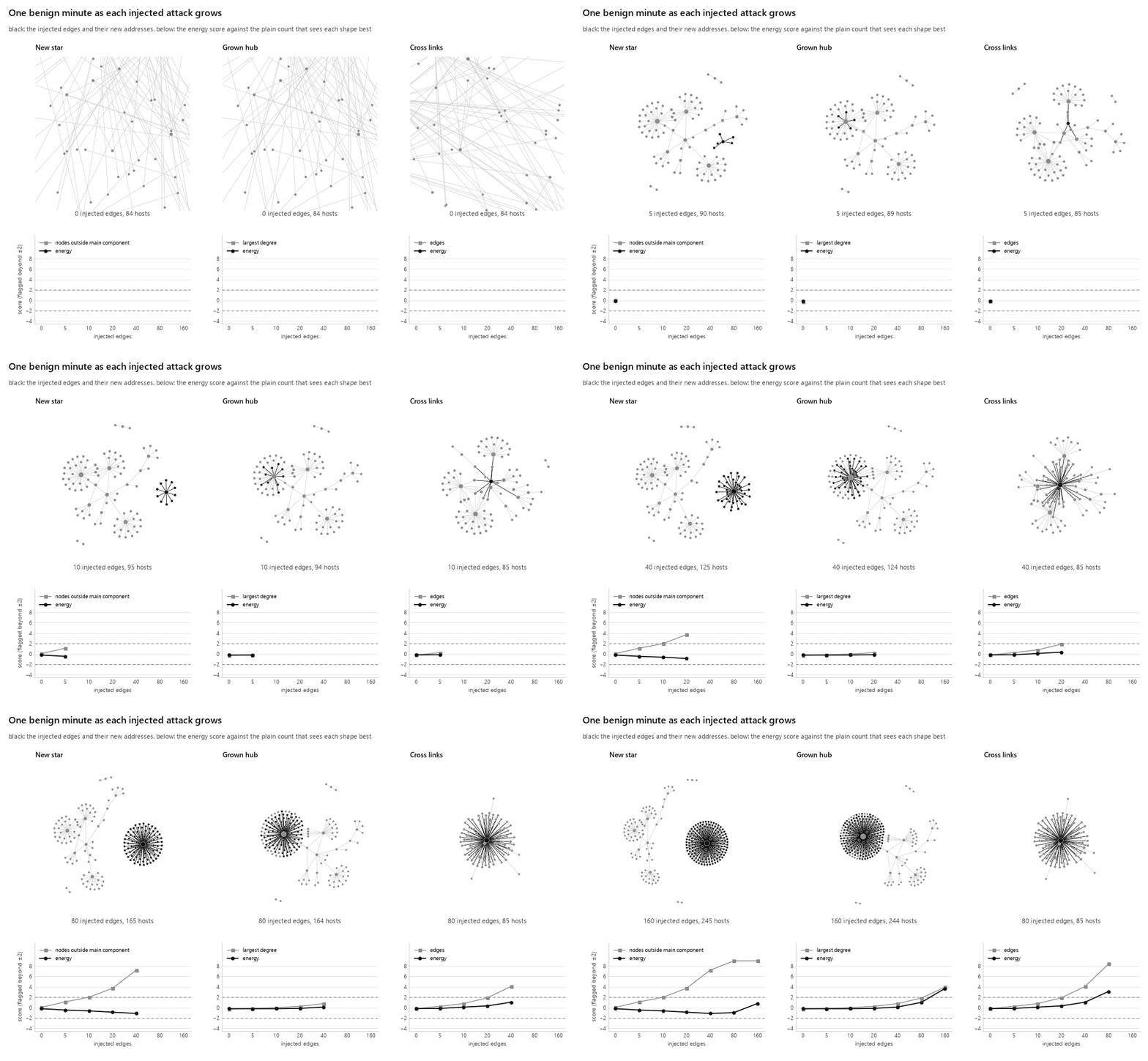
Network behavior anomaly detection with a physics model. Every minute of traffic becomes a graph of hosts, relaxed with Fruchterman-Reingold until its forces balance. Injecting attacks showed the energy only reacts at about 80 new connections, while plain counts of the graph react first.
pythonnumpypandasmatplotlibpytest
injection study
774simulations, 3 attack shapes, 6 sizes
0.9994R² of the energy from four plain counts
parallel across windows, 2.8× on 4 cores
~/force-directed-NBAD
$ python -m pytest
$ python src/injection_study.py \
    data/raw/Monday-WorkingHours.pcap_ISCX.csv
# 774 simulations, about half an hour on 4 cores
$ python src/injection_report.py \
    results/injection_study.csv
llm · retrieval
groundwork-rag/
A local RAG app built without RAG frameworks. It answers from a set of papers through a local model, cites its sources, and refuses when the documents don't have the answer.
- 0.71 → 0.79hit@5 after adding BM25 keyword search
- 0.50 → 1.00hit@5 on short single-term questions
- 12/12off-topic questions refused

pythonfastapichromadbsentence-transformersollama
iot security · machine learning
in progress
crosswire-ids/
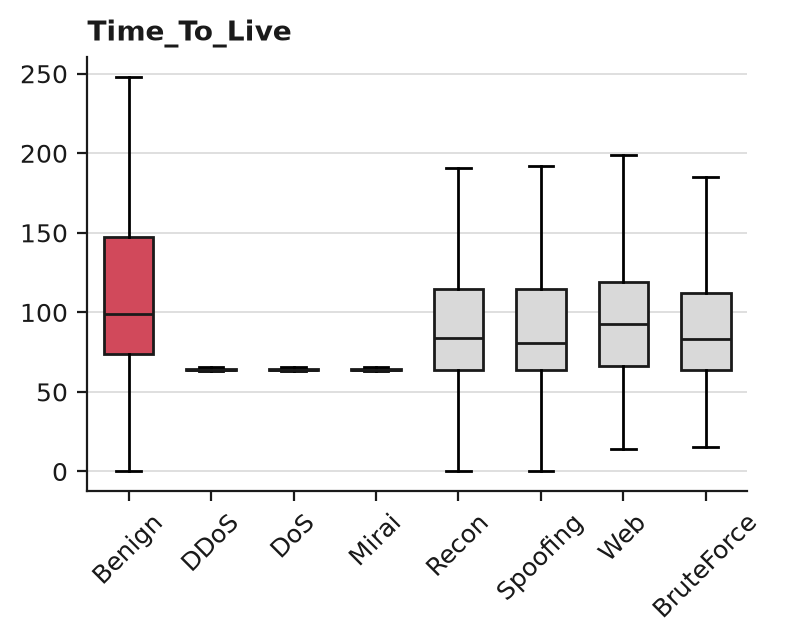
An IoT intrusion detection system trained on CICIoT2023, to be tested on traffic from a virtual IoT lab it has never seen. The goal is to measure how far detection drops, for which attacks, and why.
- 97.4%accuracy from a rule with no learning
- 55%of rows are exact duplicates
- 2.3%of rows are benign traffic
pythonpolarspandasmatplotlibjupyter
cybersecurity · self-study
early
notes/
My notes and write-ups from cybersecurity labs, written in Obsidian.
markdownobsidiankali-linuxred-teamblue-team
adlune:~$ ls side-projects/
Side projects
desktop app · local ai agent
new
code-pet/

A pixel cat for Claude Code sessions, with an optional assistant on a local model. It finds files, opens apps, reads the screen and makes small edits, with you approving each step.
- 30/30eval tasks passed
- 4B vs 9Bmodels benchmarked
- agent
- Tool loop, 8K context, thinking only for actions, vision for the screen and images, fallbacks for unsupported features
- safety
- Enforced in code: folder limits, a secrets deny list, no scripts, Allow / Deny on every action
- injection
- Warns when a target came from a file, the clipboard or the screen instead of your request
- undo
- Every edit is backed up and can be reverted
- privacy
- Runs locally; the screen and clipboard are read only when you ask
javascriptelectronollamaqwen3.5
statistics · r + python
vgsales-analysis/
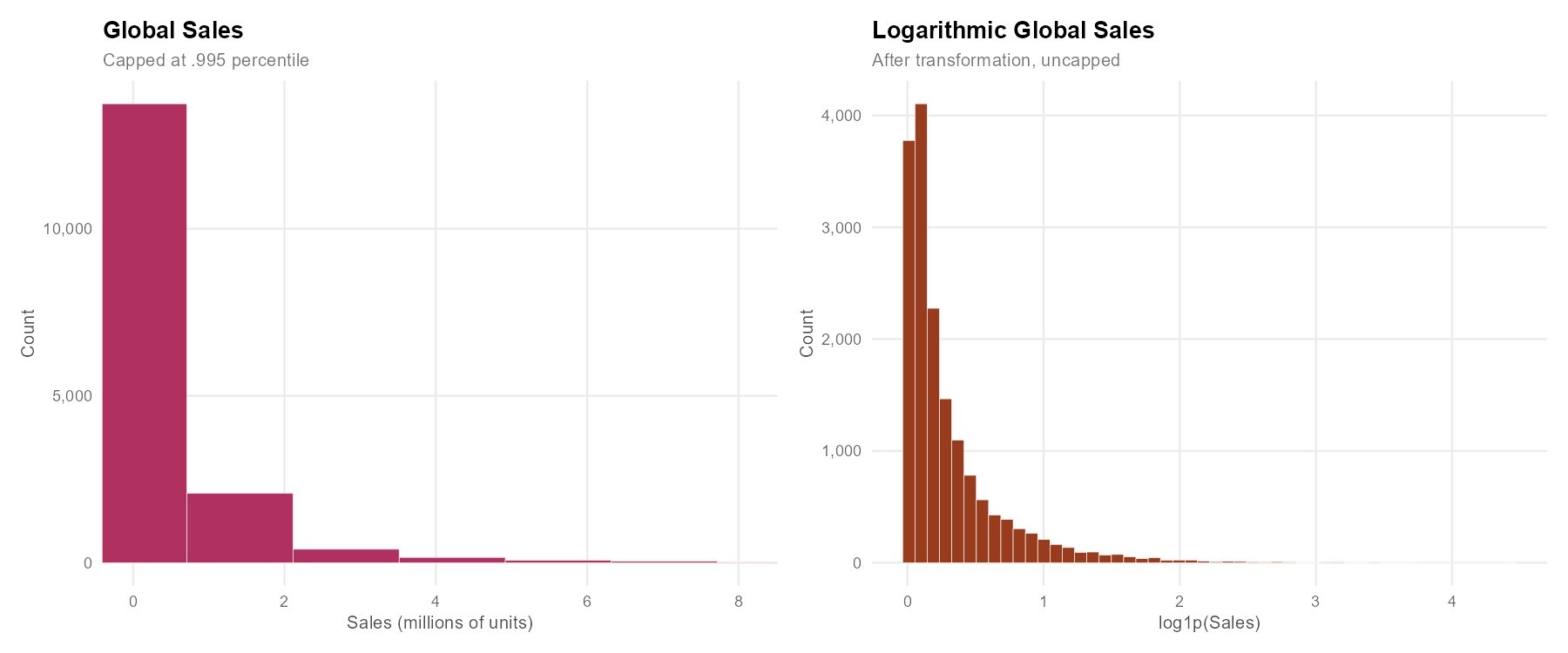
What drives video game sales? A statistical study of 16,598 games using non-parametric tests on heavily skewed data, with classification models as a complement. The factors describe groups well, not individual games.
- 3.9×median sales, major vs small publishers
- 42%median share of RPG sales in Japan
- R² 0.11of log sales explained by four factors
rtidyversepythonscikit-learn
full stack · rest api
pokedex/
A searchable Pokédex on my own Flask REST API.
javascriptpythonflasksqlite
adlune:~$ cat contact.txt
- github
- github.com/adlune ↗
- linkedin.com/in/adrian-lara-cs ↗
- resume
- resume.pdf ↗